40 years a member of the National Union of Journalists (NUJ), and they have just flown by....
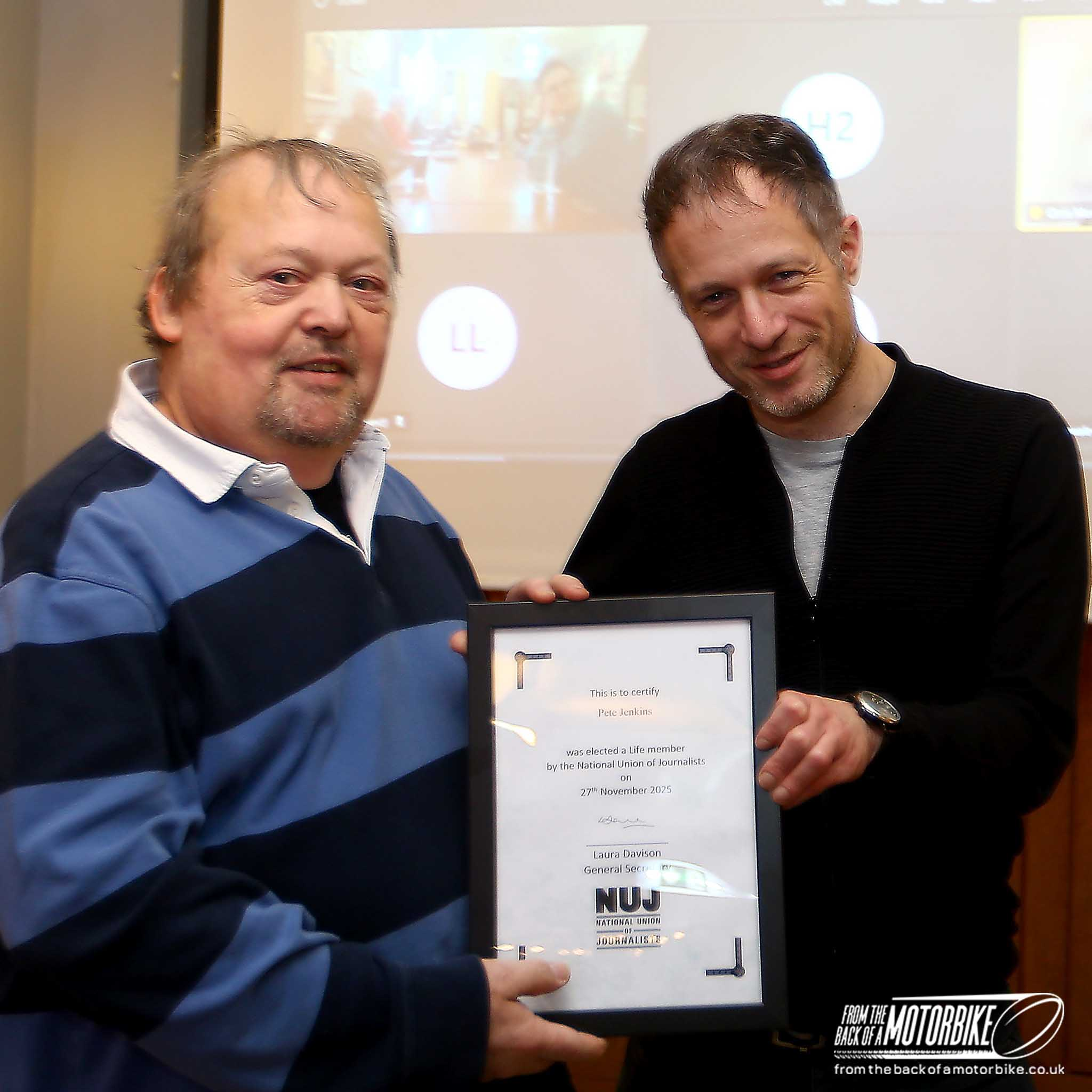
Pete Jenkins presented with Life Membership of the NUJ by Nottingham Branch Chair Benedict Cooper
Last week, I was presented with life membership of the ‘National Union of Journalists’ (NUJ). people said lots of nice things about me, and it brought back lots of memories of my time as a professional photographer.
Sometimes it is hard to believe that I have been doing this since the early 1980’s, went full-time professional in 1983, and joined the union in 1985.
Whilst it seems a bit like a cliché I do remember my early days of working for a very small weekly paper in Ruislip like they were yesterday. Ruislip was the little town in Northwest London where my parents lived and allowed me to build a darkroom in their garage when I returned to London after my time in Huddersfield Polytechnic.
My very first newspaper ‘job’ was as a retained freelance on the ‘Middlesex Weekly Post’ a small ‘freesheet’ run on a very tight budget. This mostly involved me photographing things that happened in the Ruislip area on a Saturday morning, and then as many sporting events as I could get to on a Saturday afternoon, with the occasional Sunday ‘happening’ as well. I sourced all of the events to photograph, with the exception of a few advertising photos, that were included in my £40 a week payment. Untrained as I was, and receiving no support or feedback from any of the editorial staff it was not long before I became unhappy with the way things operated.
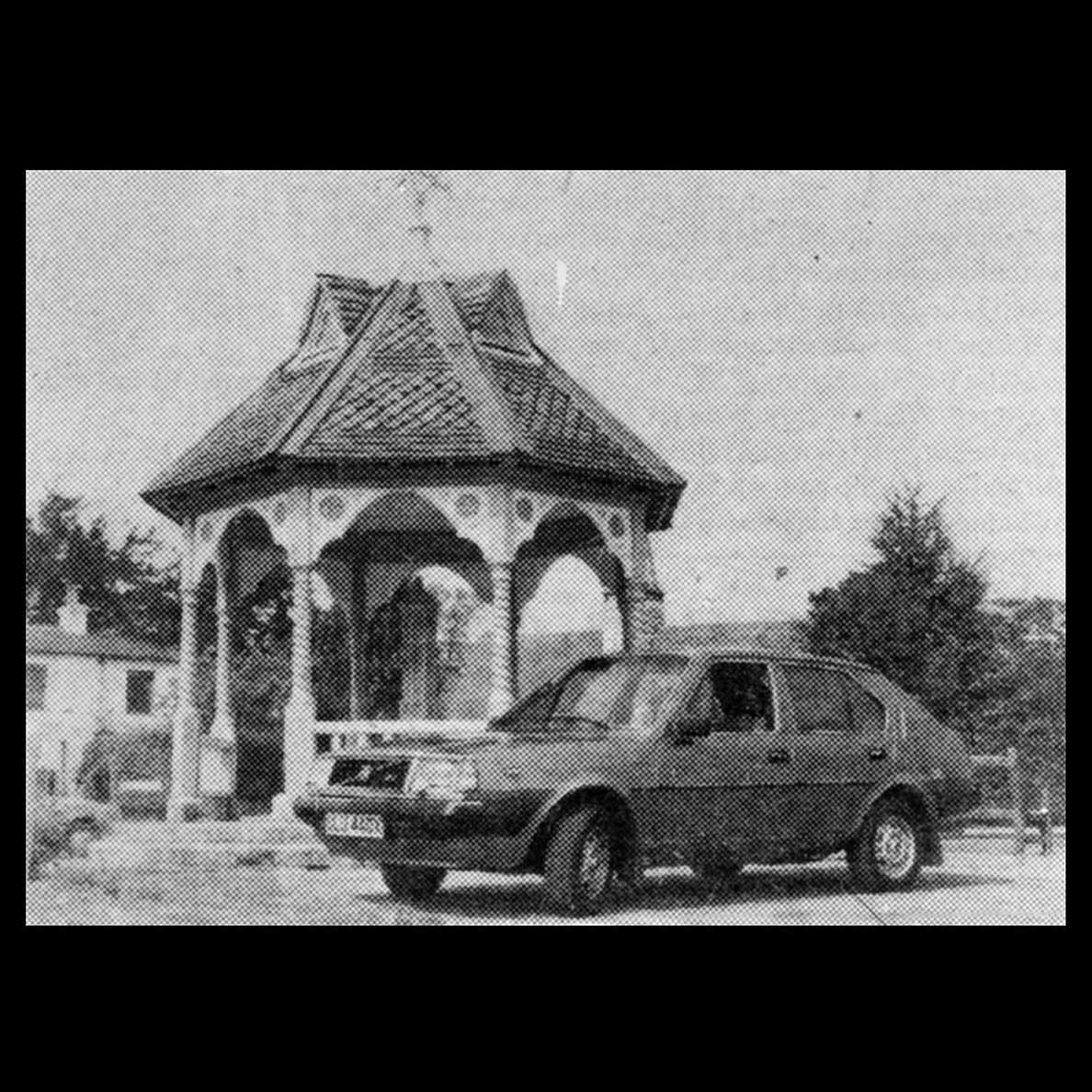
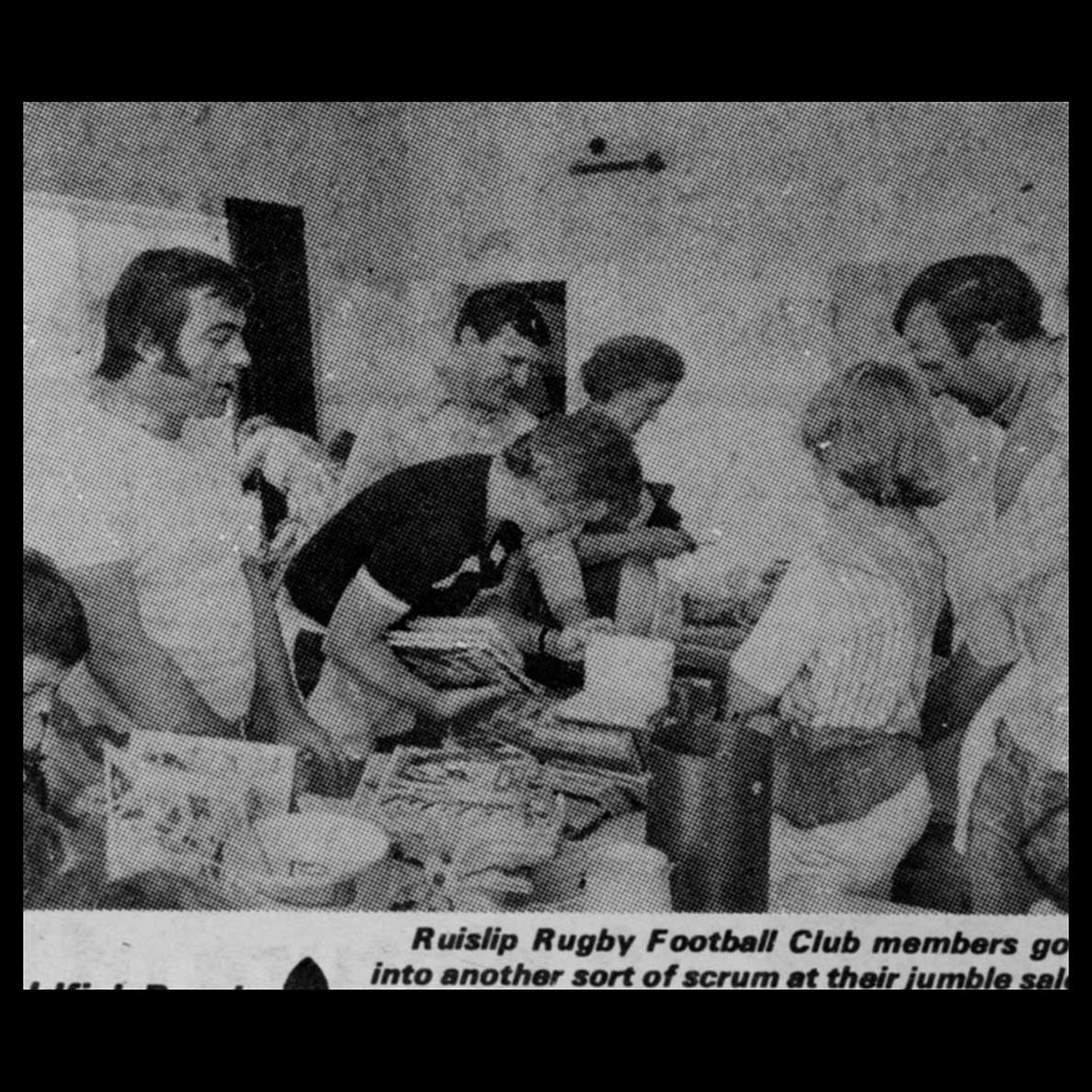
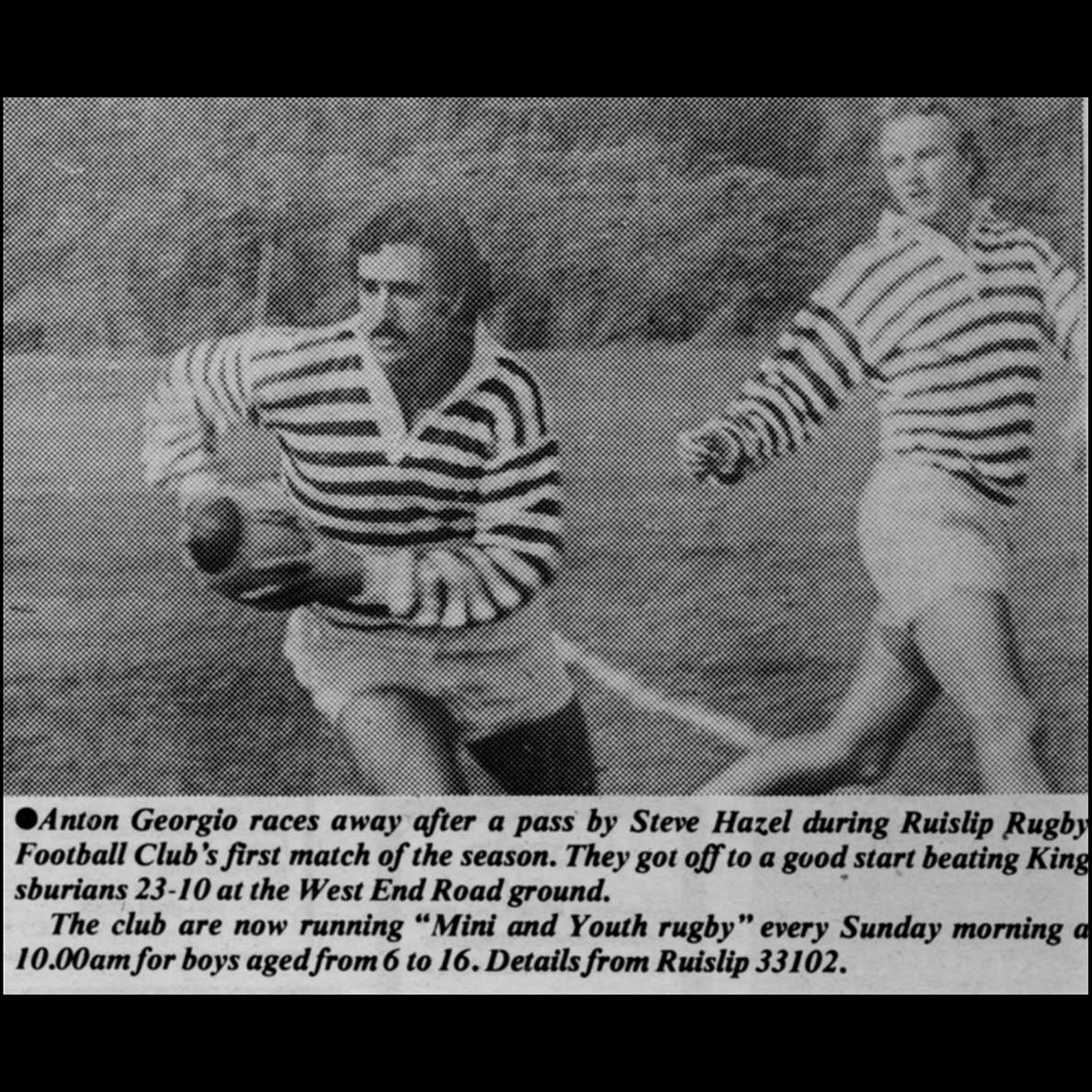
By the ‘New Year’, I left the ‘Middlesex Weekly Post’ behind me and went on a marketing campaign searching out all the local newspapers in the Uxbridge and Ruiuslip area where I lived. There were a surprising number of both paid for and free weekly newspapers. Whilst I started off supplying more or less anything I could photograph that might suit their needs, I soon learned to refine my output to sport. A more specialised subject matter. By being strict with my time, I could cover three, or even four matches, (sometimes more) between the hours of 2.00pm and 5.00pm of a Saturday afternoon,when most amateur sports were taking place. Careful timing and route planninmg would give me 20 to 30 minutes at each match or event. Use of the motorbike meant a quick journey, and no parking difficulties.
I would process and print on Saturday night and Sunday morning. In those days, as a freelance I could submit speculatively to each of the newspapers who covered the teams I photographed. Each paper would be given a selection of three different prints, fully labelled and captioned. On a Sunday afternoon I would bike around to each of the newspapers and drop off my selection of prints. Some papers might receive as many as fifteen or more prints from me. Hard work, but it established my business. Each published photograph would earn me between £15 and £25. The newspapers loved me, as it meant their staff photographer could concentrate on the fetes, jumble sales and mayoral presnetations, and knowing that I would cover several sporting events for their sports pages.
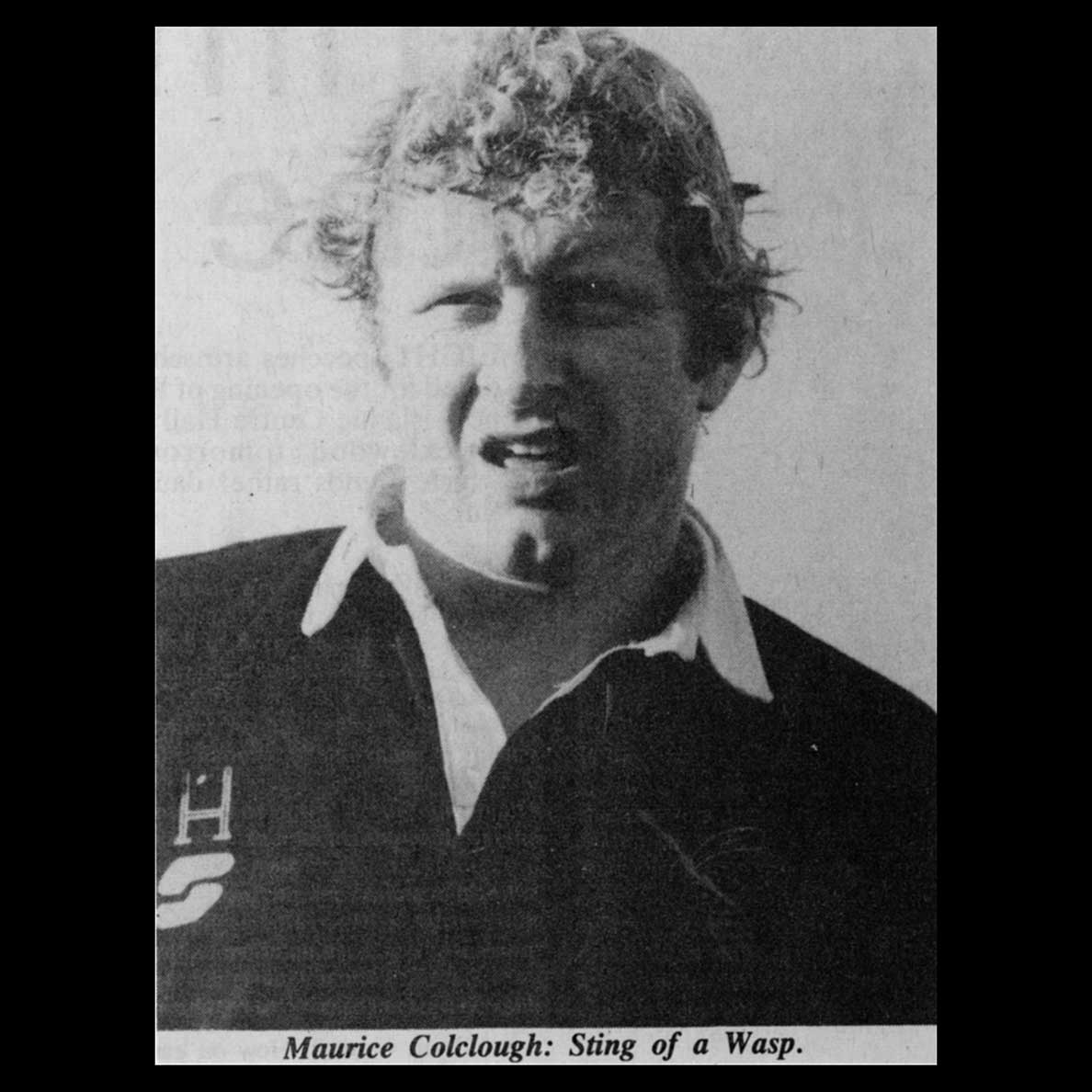
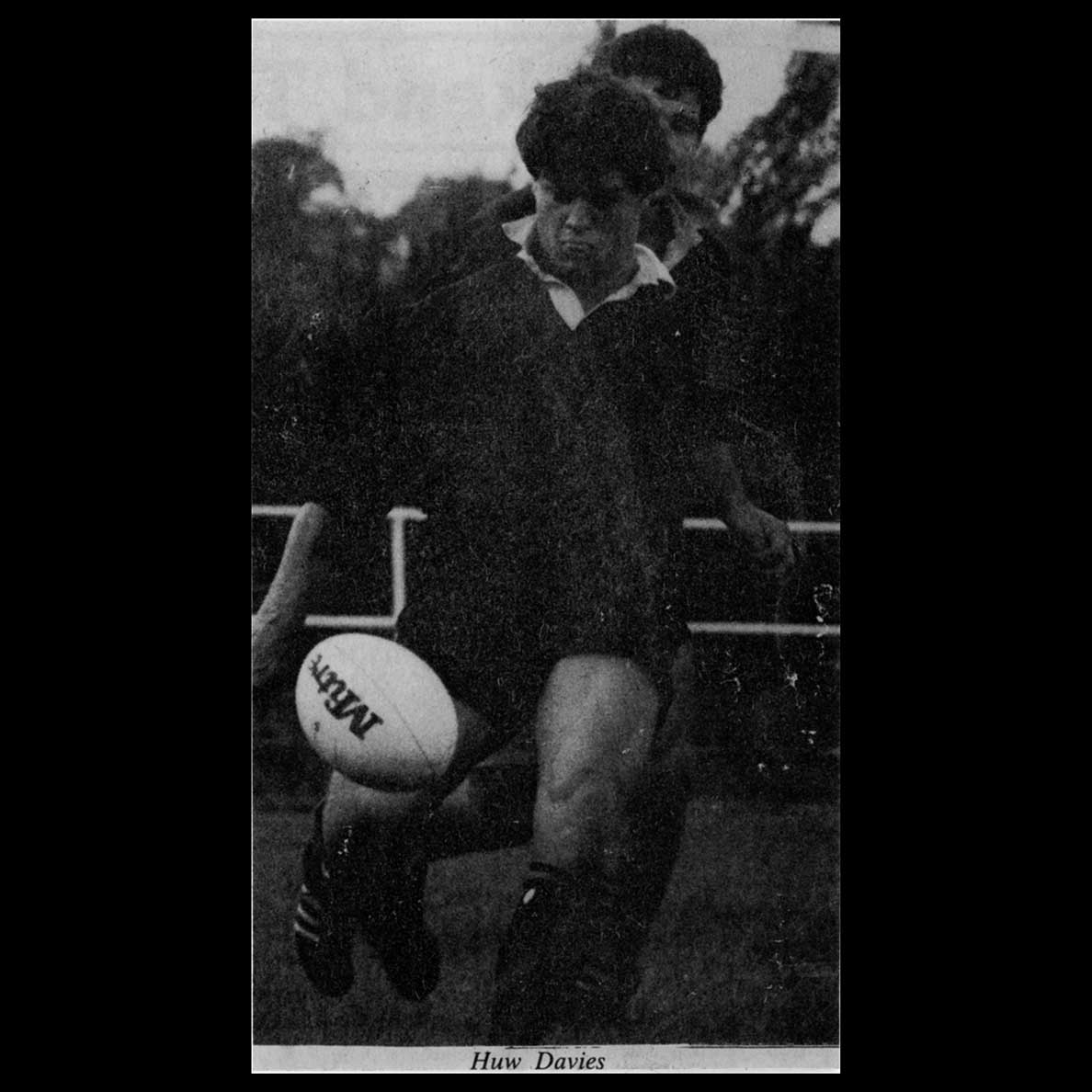
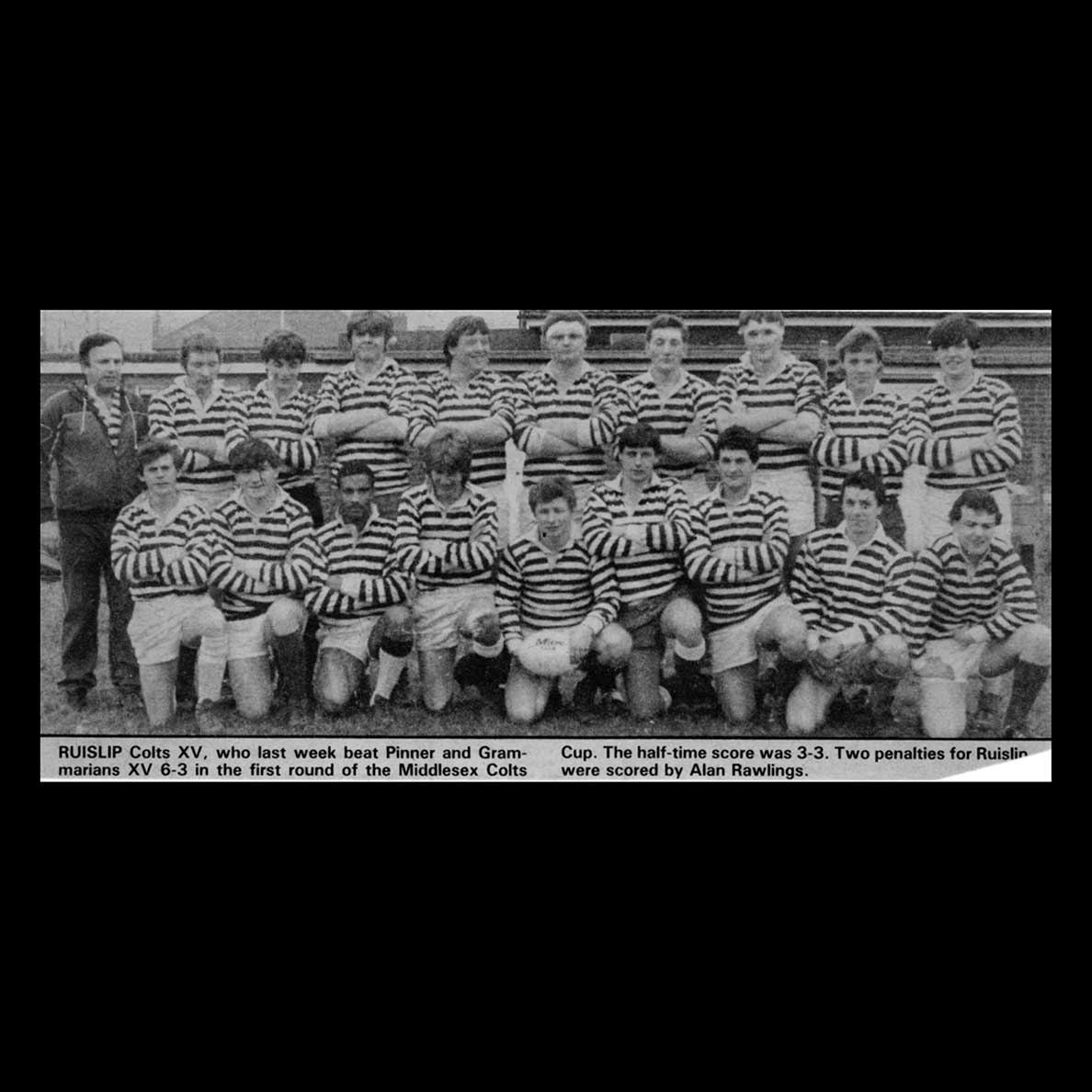
It soon became obvious that rugby was my go-to sport. I had played rugby for a variety of teams until I left Poly, when I received a knee injury that pretty much stopped my playing .
I understood the game. The Middlesex rugby scene was pretty lively, with not only my club Team Ruislip, but other well established sides such as Ealing, Uxbridhge, Old Millhillians, Kingsbury, and also top class sides such as Saracens and Wasps. I started moving out to other clubs such as Richmond, London Scottish and London Welsh in the Richmond area, Harlequin in Twickenham. This led me to moving even further afield to Rosslyn Park, London Irish, Metropolitan Police and even Blackheath over at the Rectory field in Greenwich. Each team had at least three local papers or freesheets covering its fixtures, and inevitably several of these teams would be playing at home every Saturday. With my motorbike, I could ride between matches very quickly. By the summer of 1983, I had established a stable of more than twenty local papers in the London area and I had a viable business that allowed me to quit my job working as the service department supervisor for Pentax UK , and become a full-time sports photographer.