
Louisa Toxværd Munch Delivers the 2026 Mary Macarthur Lecture
The Workers Institute, Black Country Living Museum 17 th April 2026
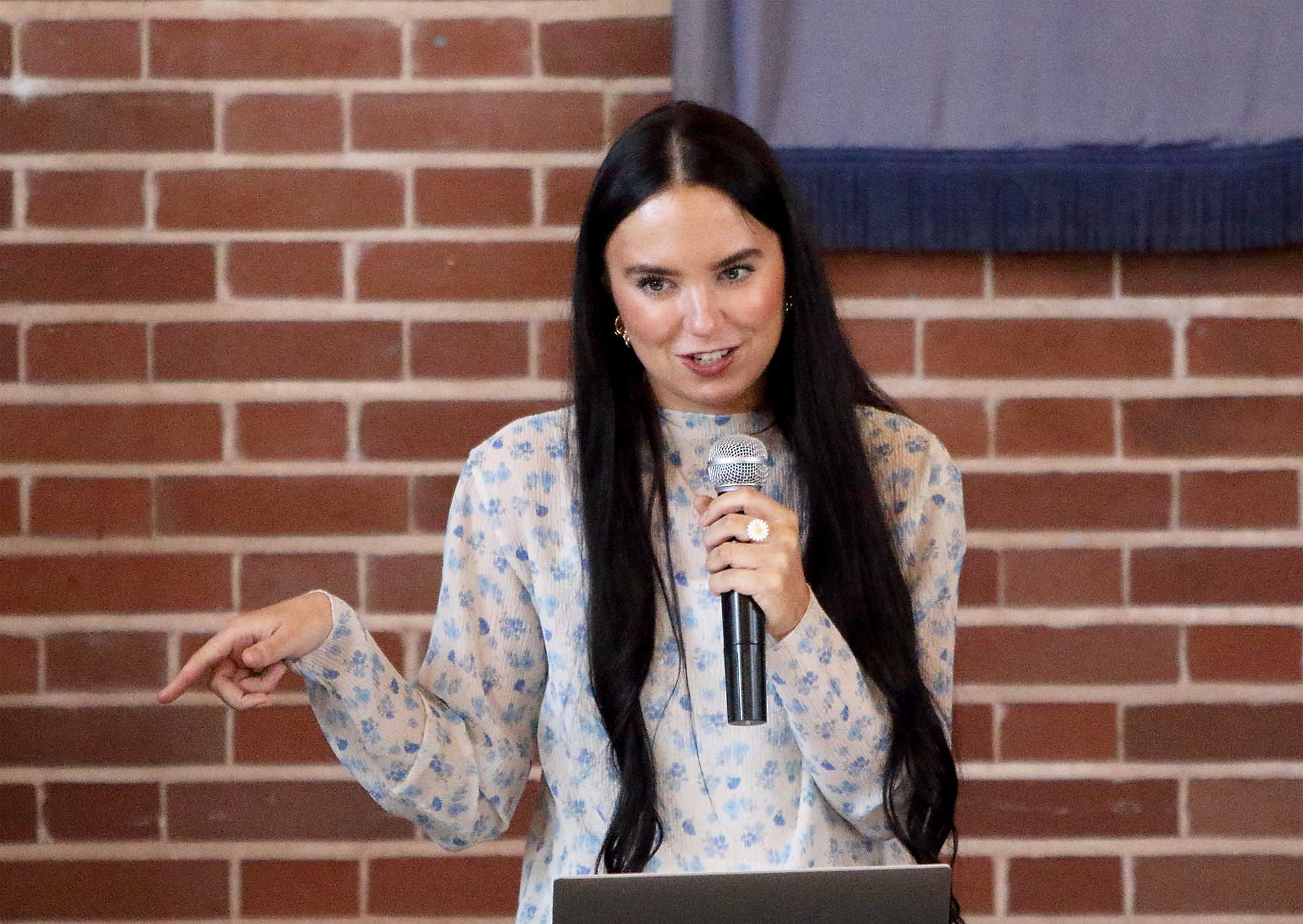
Louisa Toxværd Munch delivering the 2026 Mary Macarthur Lecture.
Since the inaugural Mary Macarthur lecture in 2016 I have been privileged to document the event on behalf of the Midlands TUC. Previous speakers have included Francis O’Grady, Polly Toynbee, Jess Phillips, Sylvia Heal, Cathy Hunt, Angela Rayner, Rachel Reeves, Fran Heathcote, Polly Smythe.
I regularly photograph and document speakers, conferences and similar events. I prefer a ‘fly-on-the-wall’ approach, avoiding flash wherever possible, and preferring to stay back from the stage or speaking area. This way I am less likely to disturb both the speakers themselves and of course the audience. The last thing one needs is a photographer coming between those on the stage and the audience. Lond lenses and a quiet pre-arranged approach is my way of working.
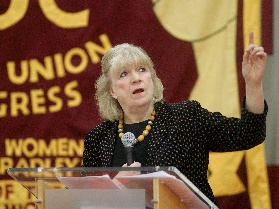
Polly Toynbee
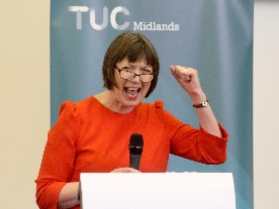
Francis O’Grady
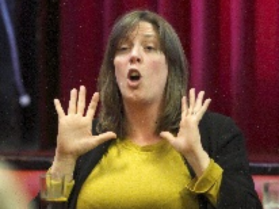
Jess Phillips
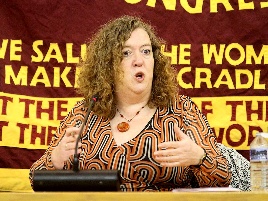
Fran Heathcote
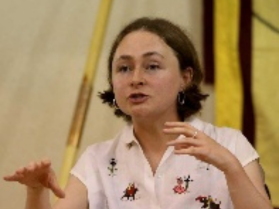
Polly Smythe
Lousia is a well-known Mancunian academic and public intellectual who teaches at the University of Warwick. Her lecture explored how nostalgia shapes our political imagination, whilst al around us we are seeing and enduring social and economic upheaval. She spoke of the far right, as well as the importance of critical thought and talked of the power of solidarity across communities and social-media platforms.
The evening was introduced by Stuart Richards the TUC Midlands Regional Secretary.
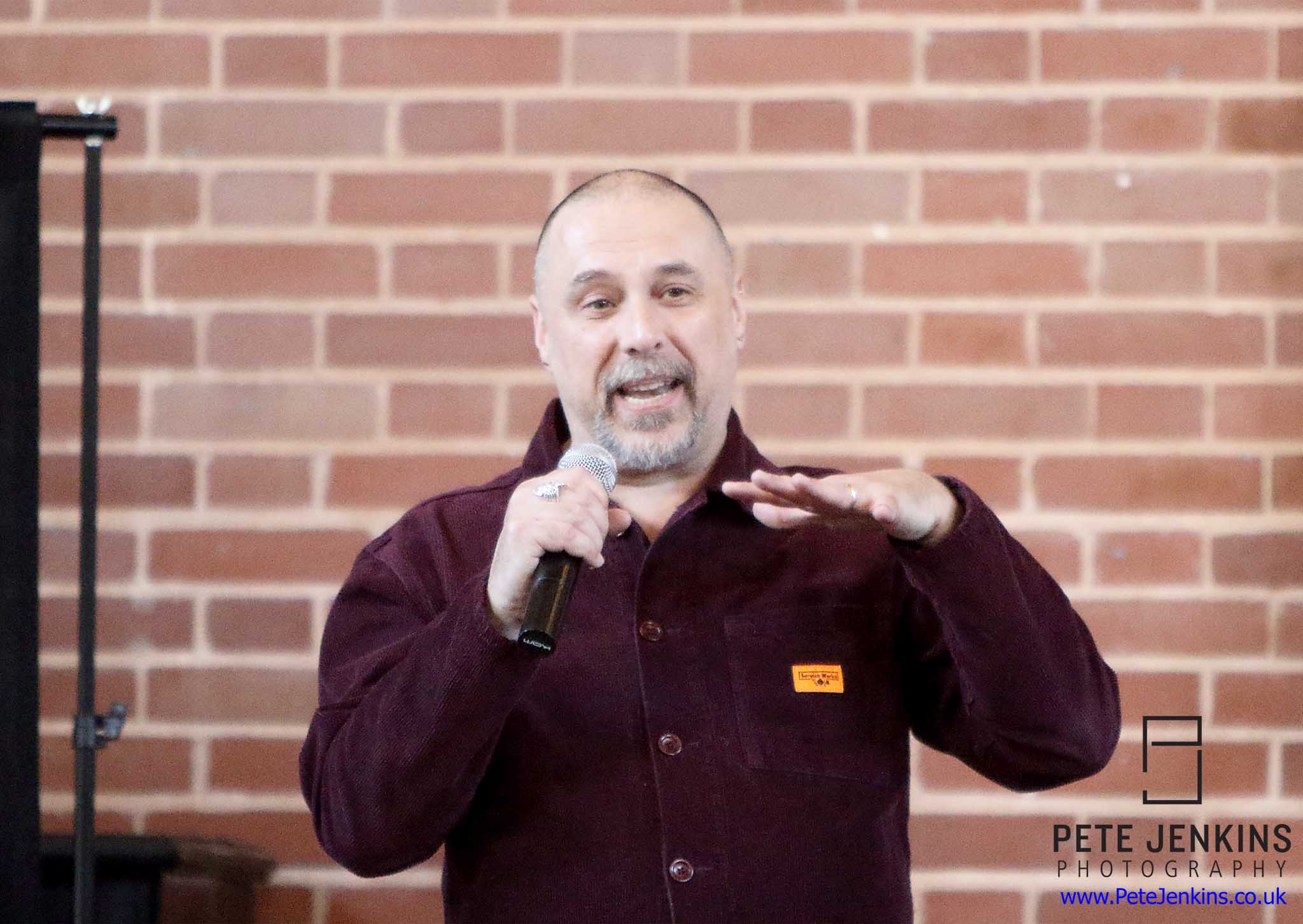
Stuart Richards the TUC Midlands Regional Secretary
Stuart Richards welcomed everyone to the Workers Institute, thanked the Black Country Museum and introduced the first speaker, local MP for Dudley, Sonia Kumar.
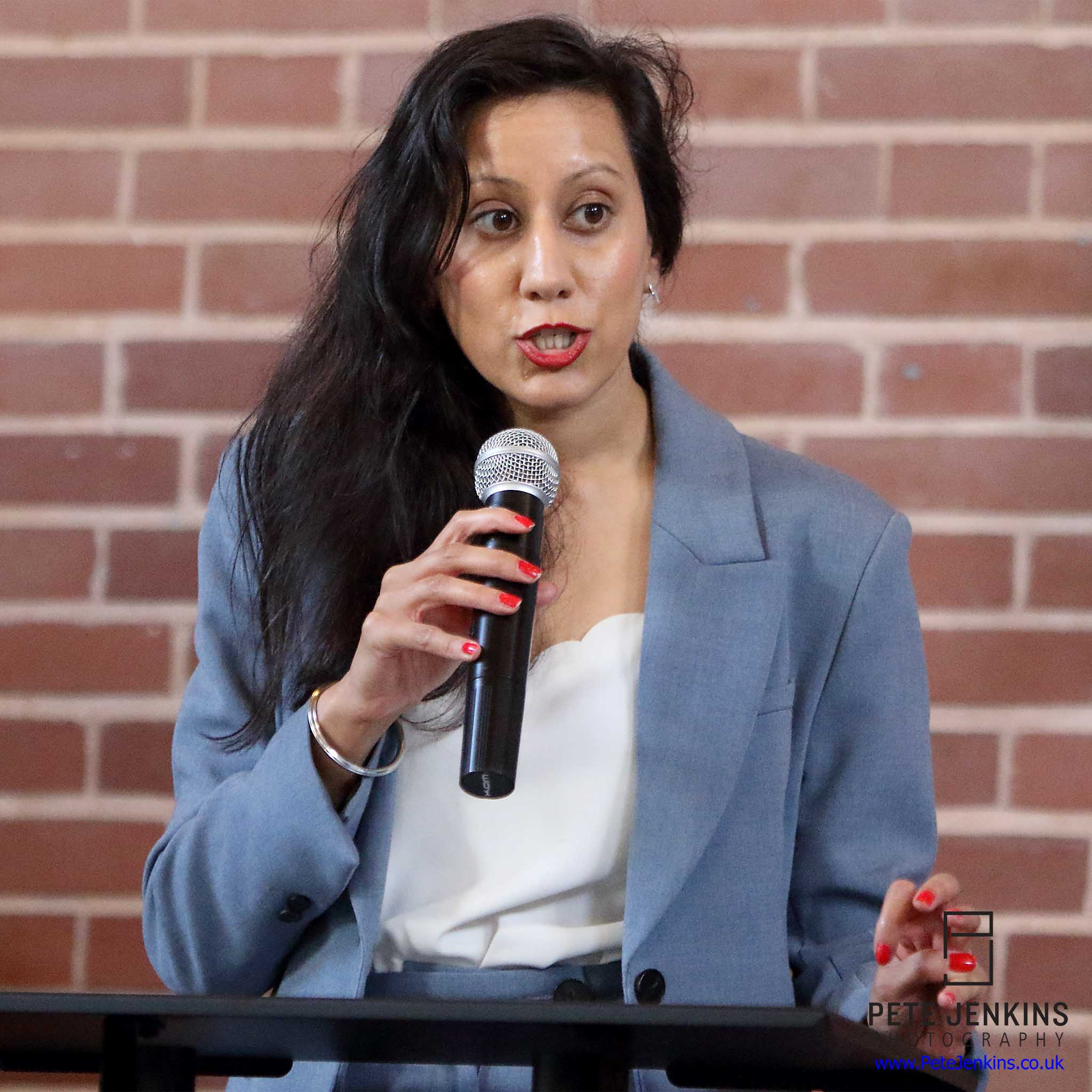
Sonia Kumar, MP for Dudley
Ms Kumar, paid tribute to Mary Macarthur, and talked of the courage of women during the 1910 Cradley Heath Chainmakers’ strike, and of their stand against low wages, and helping to move the country towards the labour protections we have today. She told us:
“It is incredibly moving to see the Workers’ Institute preserved for future generations. This is more than a building; it is a testament to what can be
achieved when communities come together with purpose and determination. More than a century on, we are reminded that progress is never guaranteed.
We must continue to stand up for fairness, for dignity, and for the rights of working people, just as those women did in 1910.”
The Workers Institute now at the Black Country Museum, was originally built between 1911 and 1912 at Lomey Town in Cradley Heath. The original construction was paid for using money remaining from the Strike fund of the 1910 Women Chainmakers’ Strike, led by the trade unionist Mary Macarthur. It was to be a social centre for the workers of Cradley Heath and became much more. A venue for educational meetings and lectures. It also had union offices, where union members could seek help, information and financial support (Contributory Unemployment Fund).
Ms Kumar in turn introduced the main speaker for the evening, Louisa Toxværd Munch who addressed the pack auditorium.
The venue was fascinating. I have a passion for history, and always enjoy seeing and experiencing old venues, events, and learning about how and why things happened or events came about.
The Institute is a typical Edwardian building, and although it is unique in the Black Country and one can see the similarity to other constructions of the type around the UK. Inside it is spacious and has an entrance hall leading to what were a series of offices at the front part of the building, and a corridor leading to the main hall. There are also stairs leading to an upstairs committee room.
The main auditorium is spacious with a high ceiling. At the entrance end is a stage, and the far end has been made into a café serving area. The exit at the café end leads to a second hall; with store rooms and another set of stairs leading to the mezzanine with more chairs and tables.
During the early evening the hall was well lit courtesy of a large number of windows, however, once dusk had settled and the outside illumination disappeared the interior lighting was quite dismal, which was a shame. Acoustics though were surprisingly good.
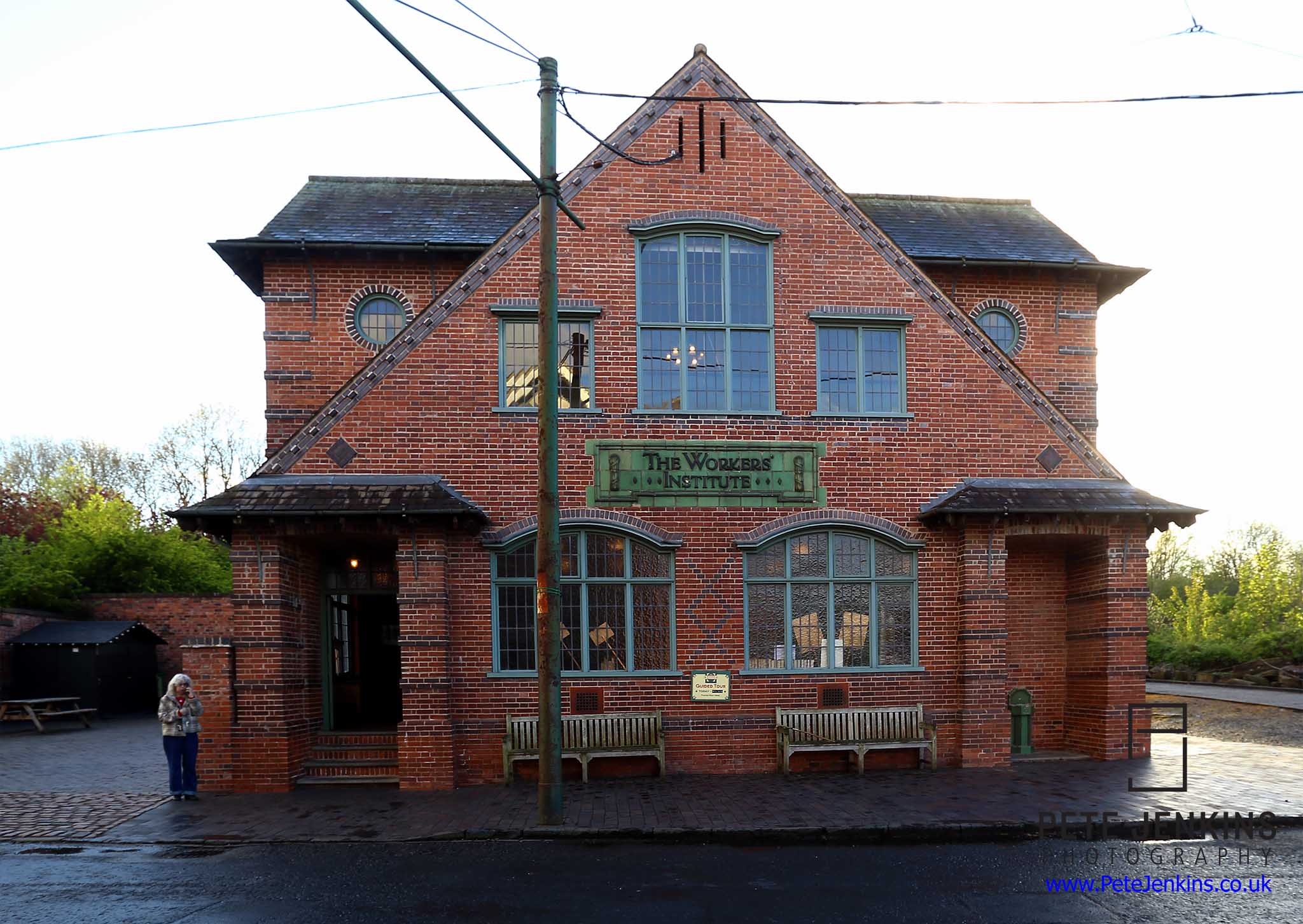
The Workers Institute at its new site in the Black Country Museum
The building was dismantled and moved to the Black Country Living Museum in 2006 after being threatened with demolition to make way for a new bypass. Thanks to collaborative action by the Sandwell Metropolitan Borough Council and The Midlands TUC, with funds provided by the community and the Heritage lottery Fund.
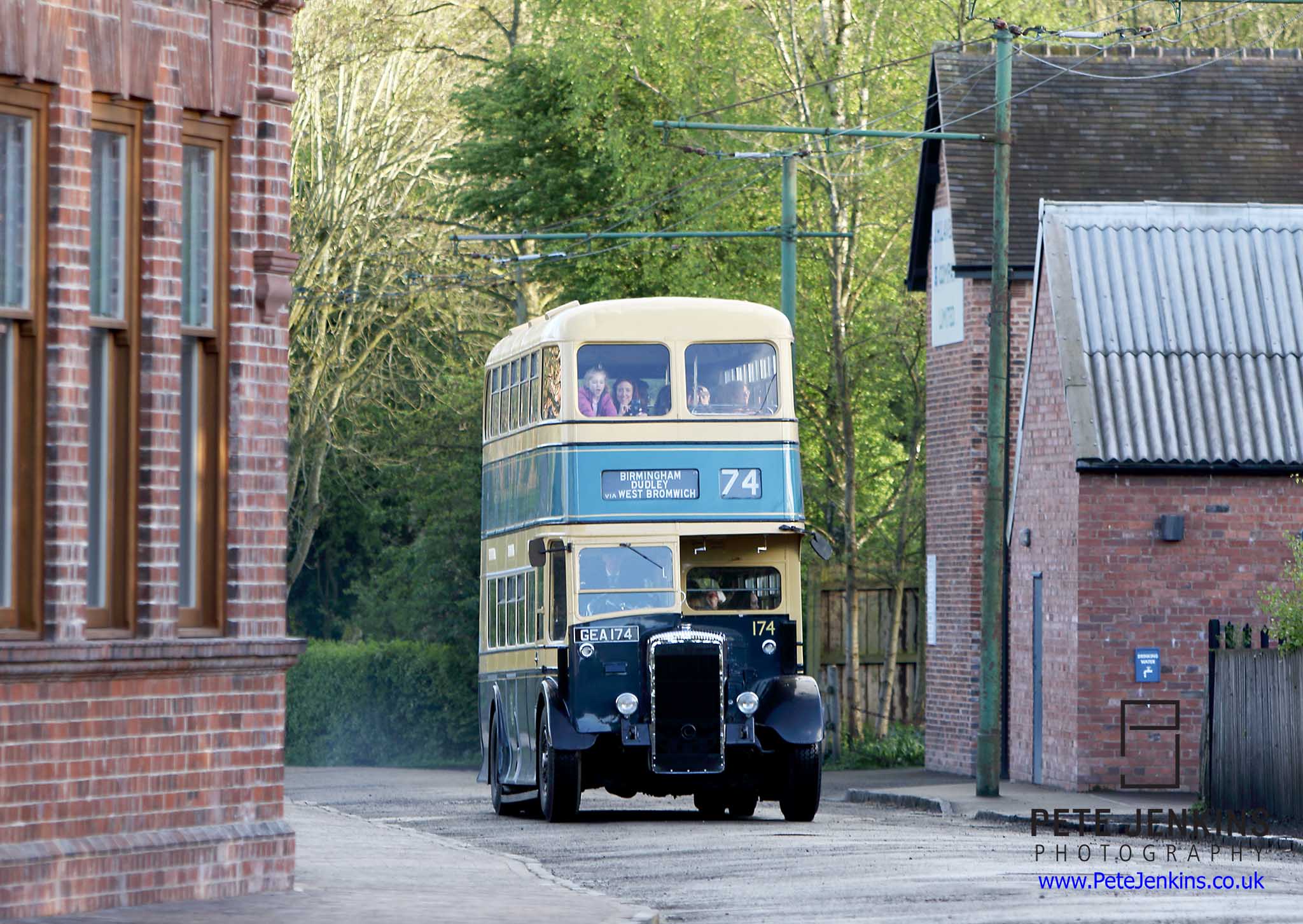
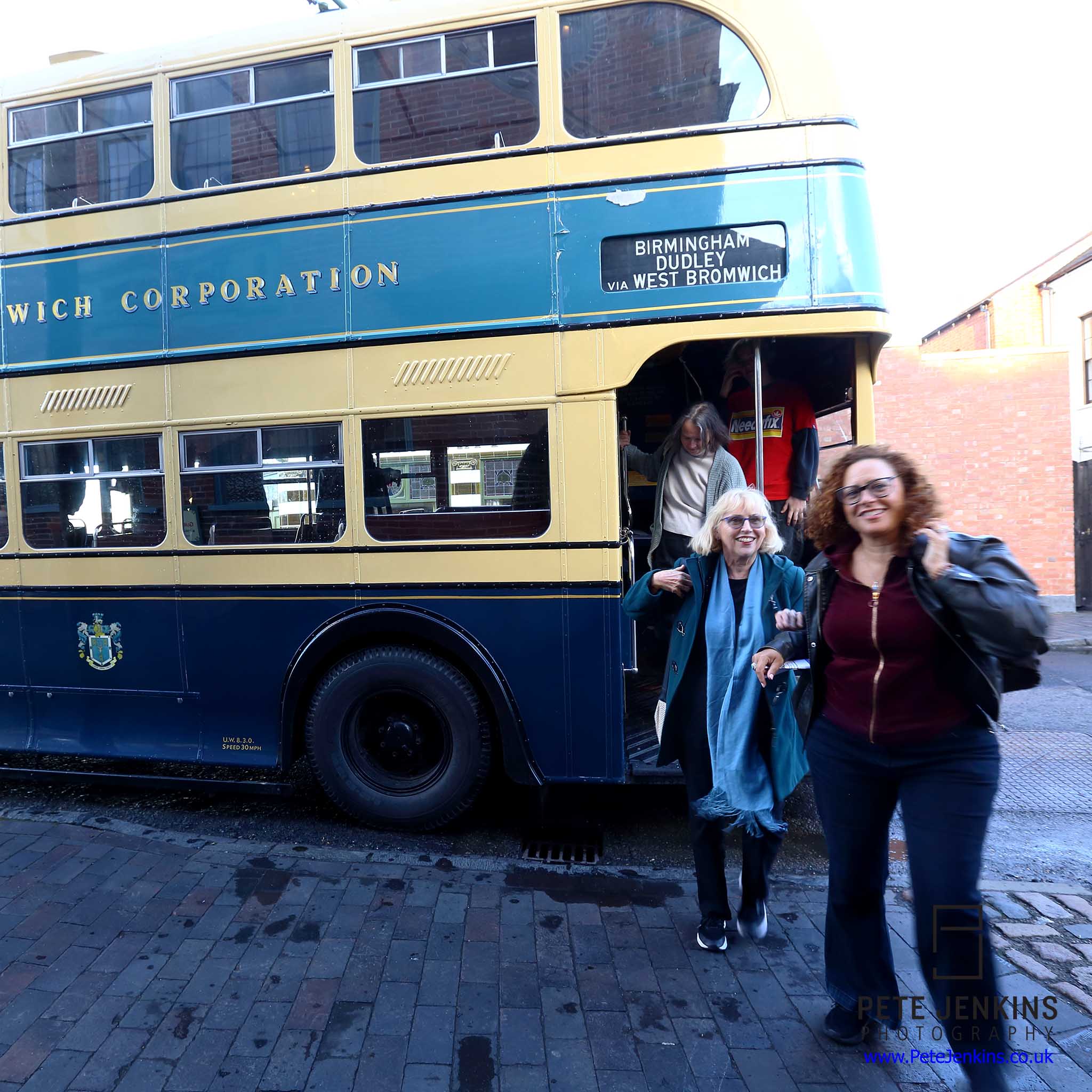
The audience were transported from the Museum entrance to the Workers Institute by an old 74 bus
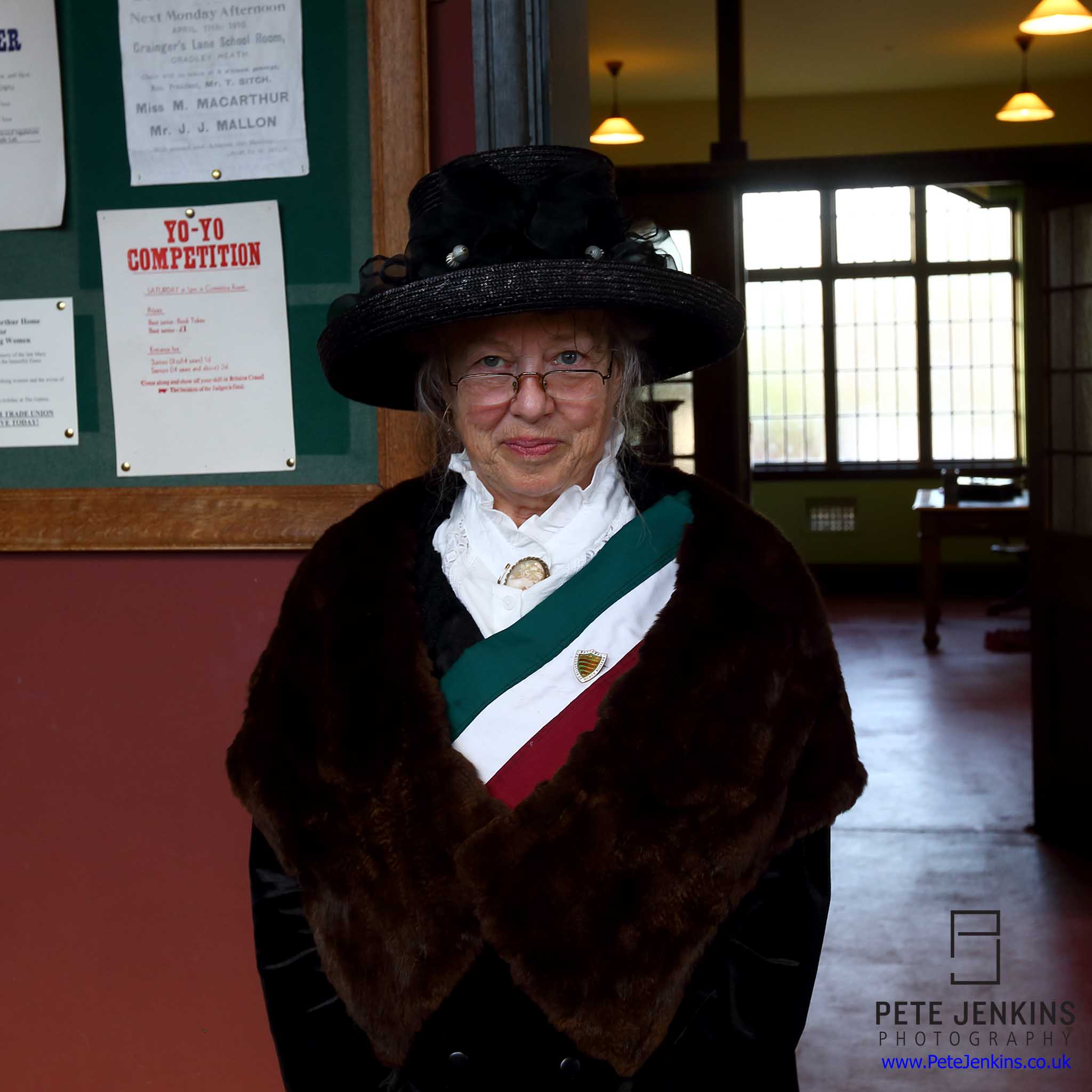
The audience were welcomed to the Workers Institute by a re-enactor playing the part of Mary Macarthur
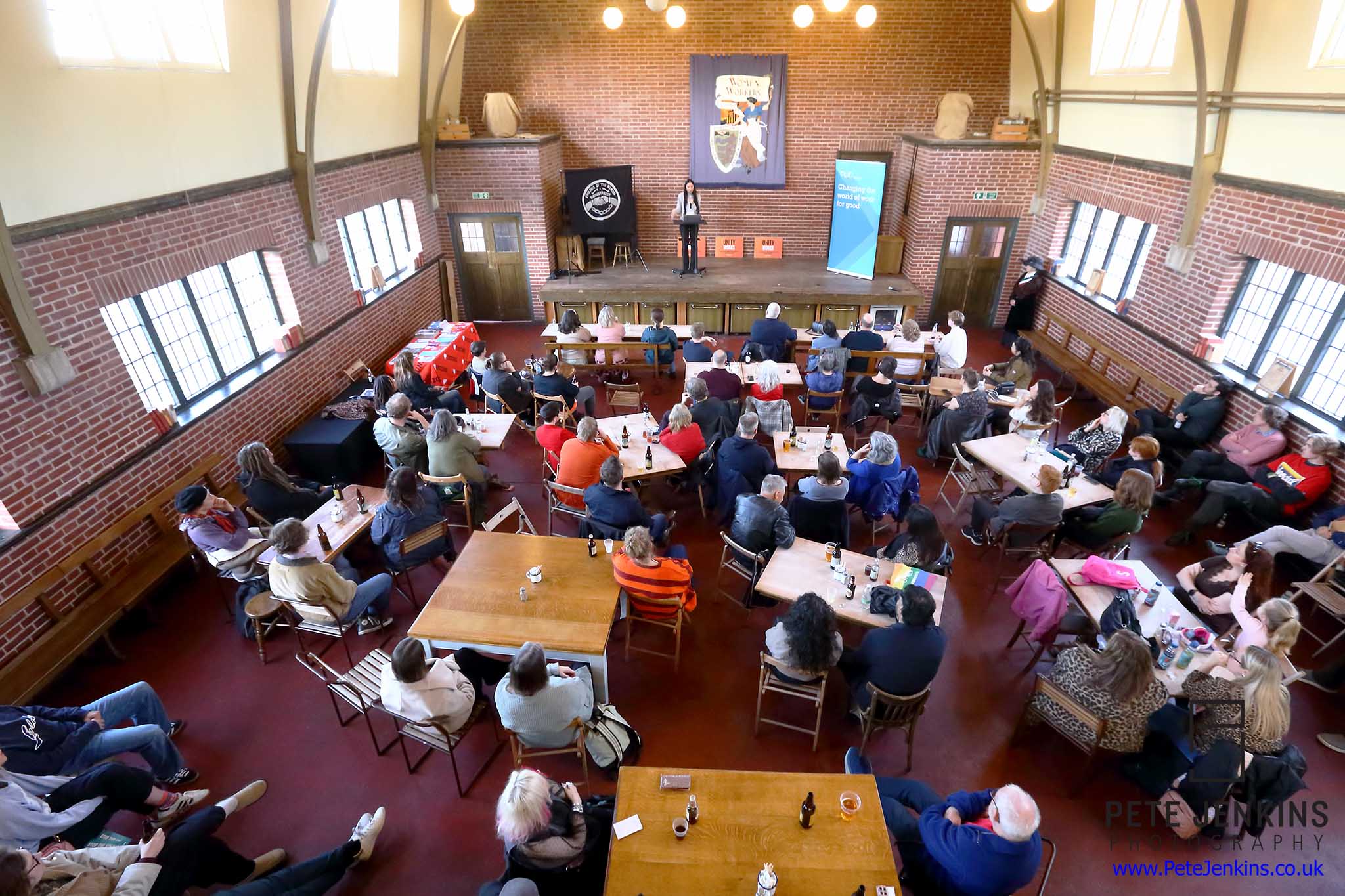
View of the audience and the stage, Louisa Toxværd Munch speaking
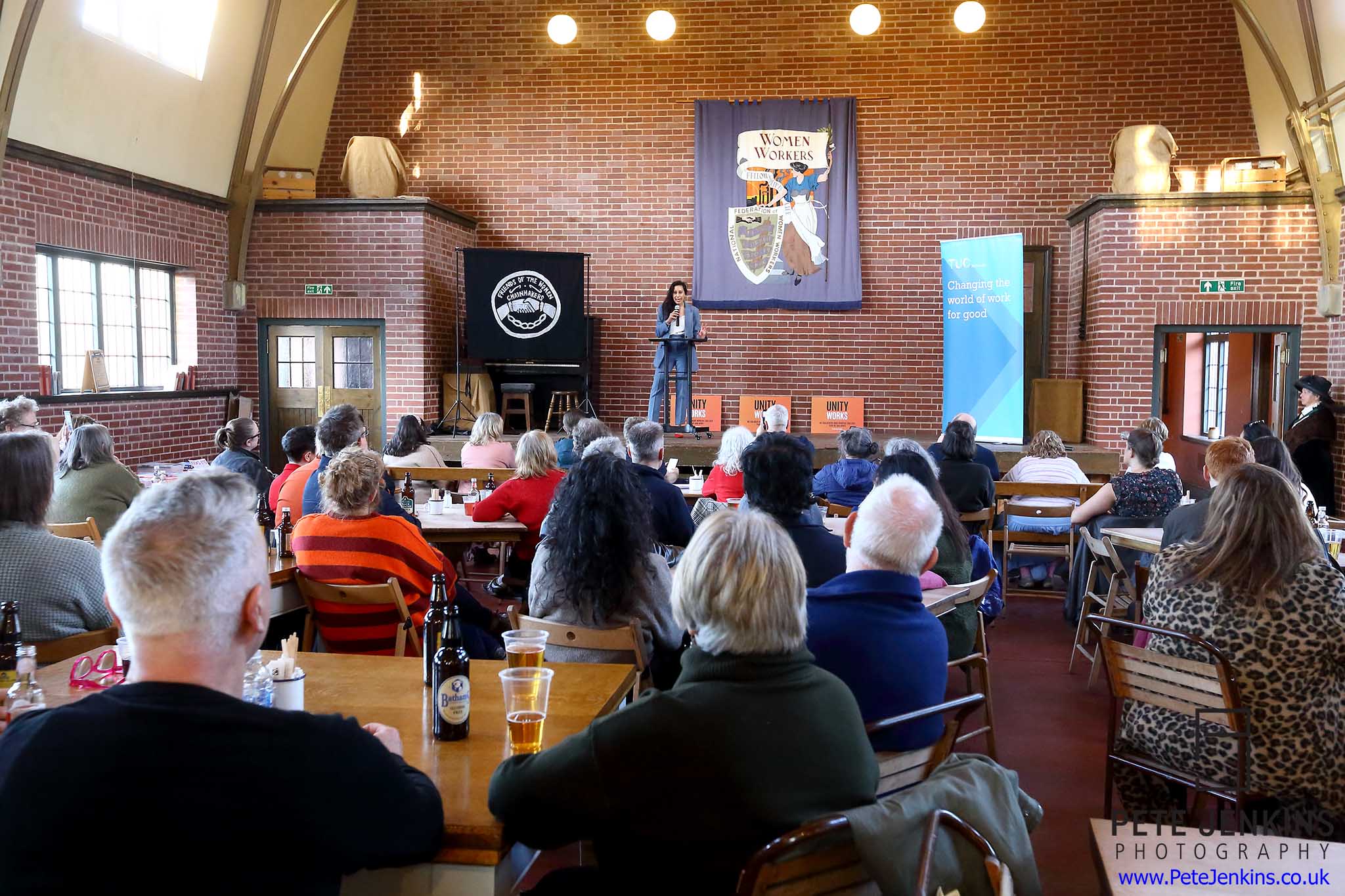
Sonia Kumar MP for Dudley
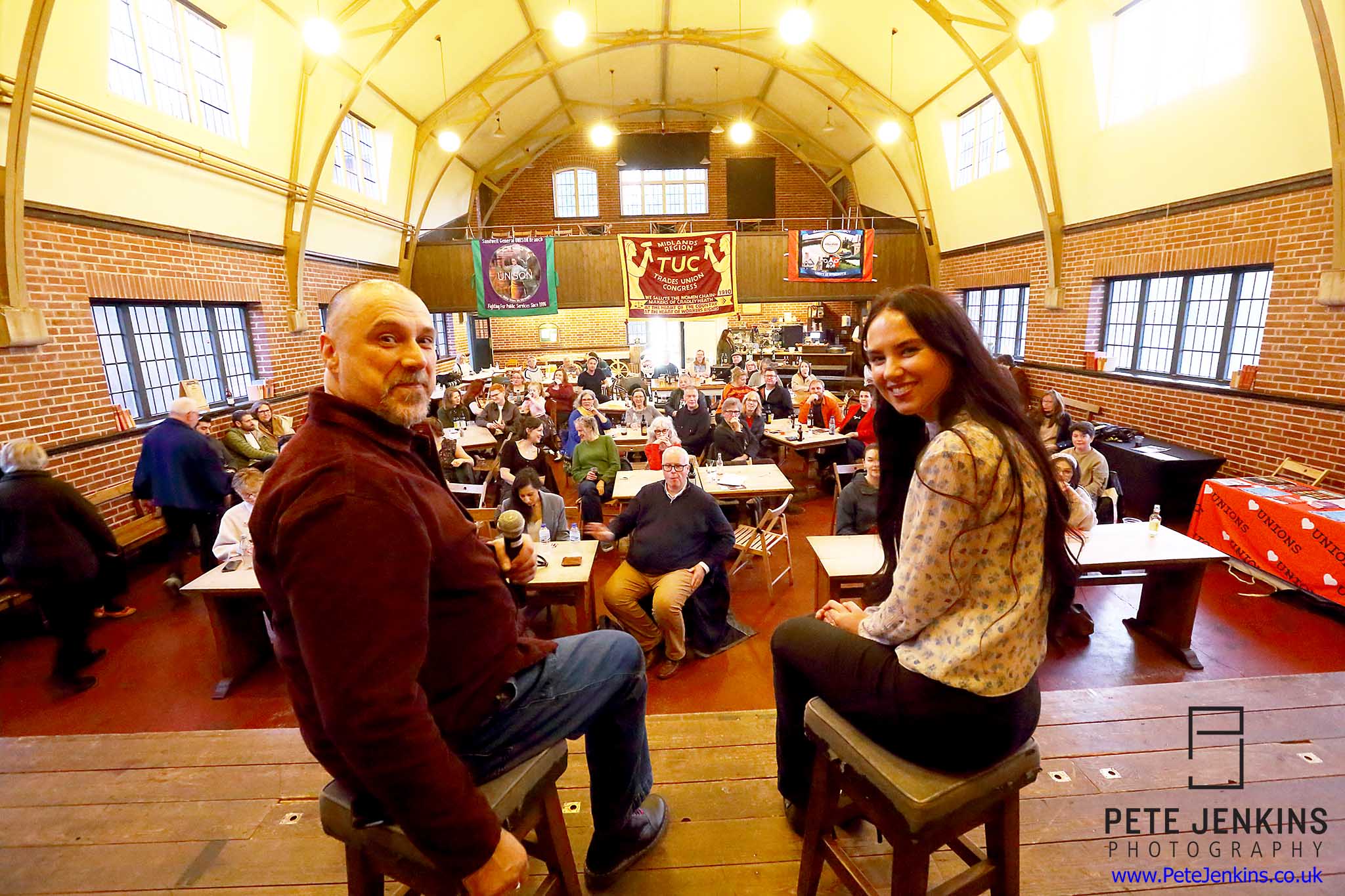
TUC Regional Secretary Stuart Richards and Keynote speaker Louisa Toxværd Munch
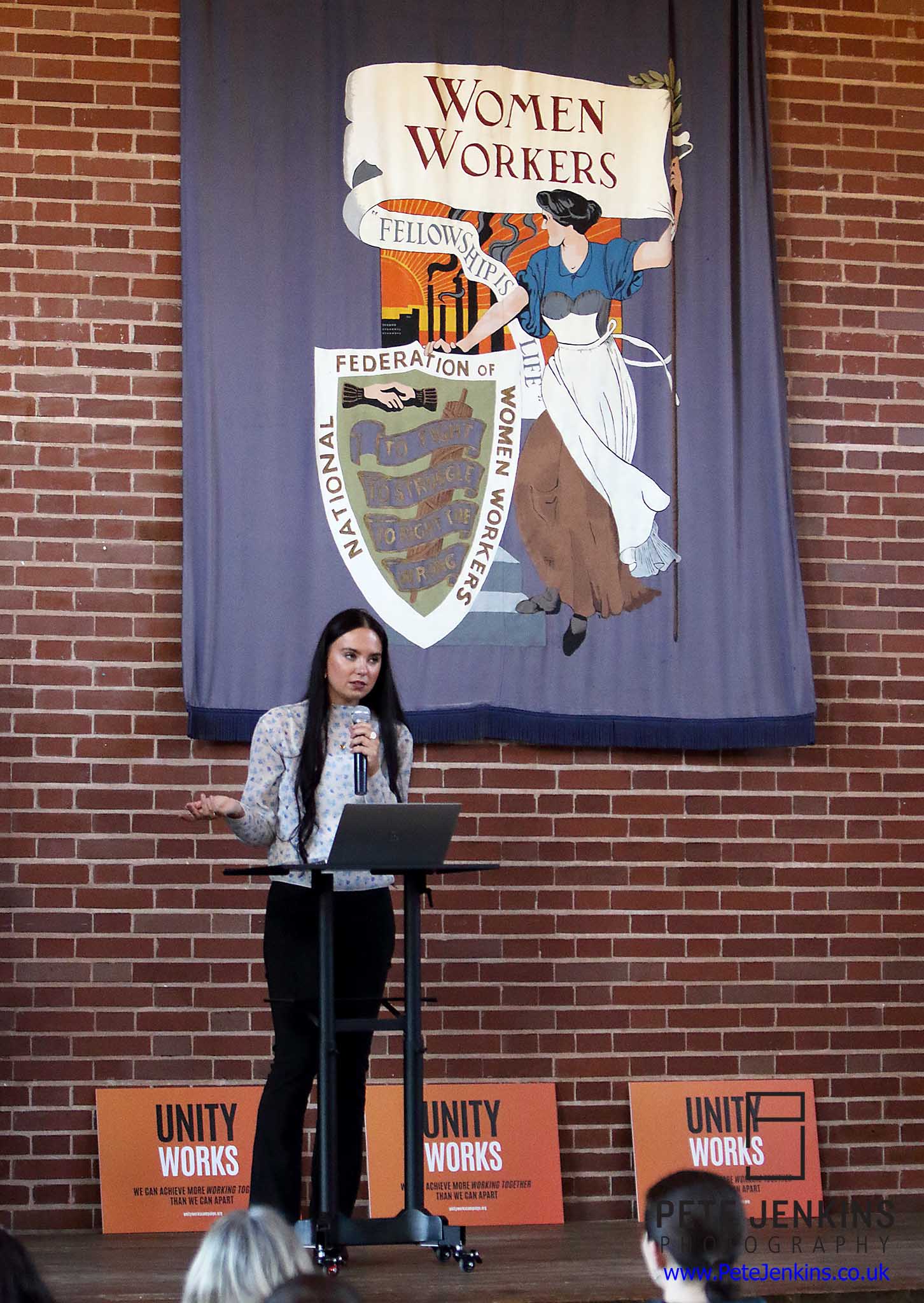
Keynote speaker Louisa Toxværd Munch
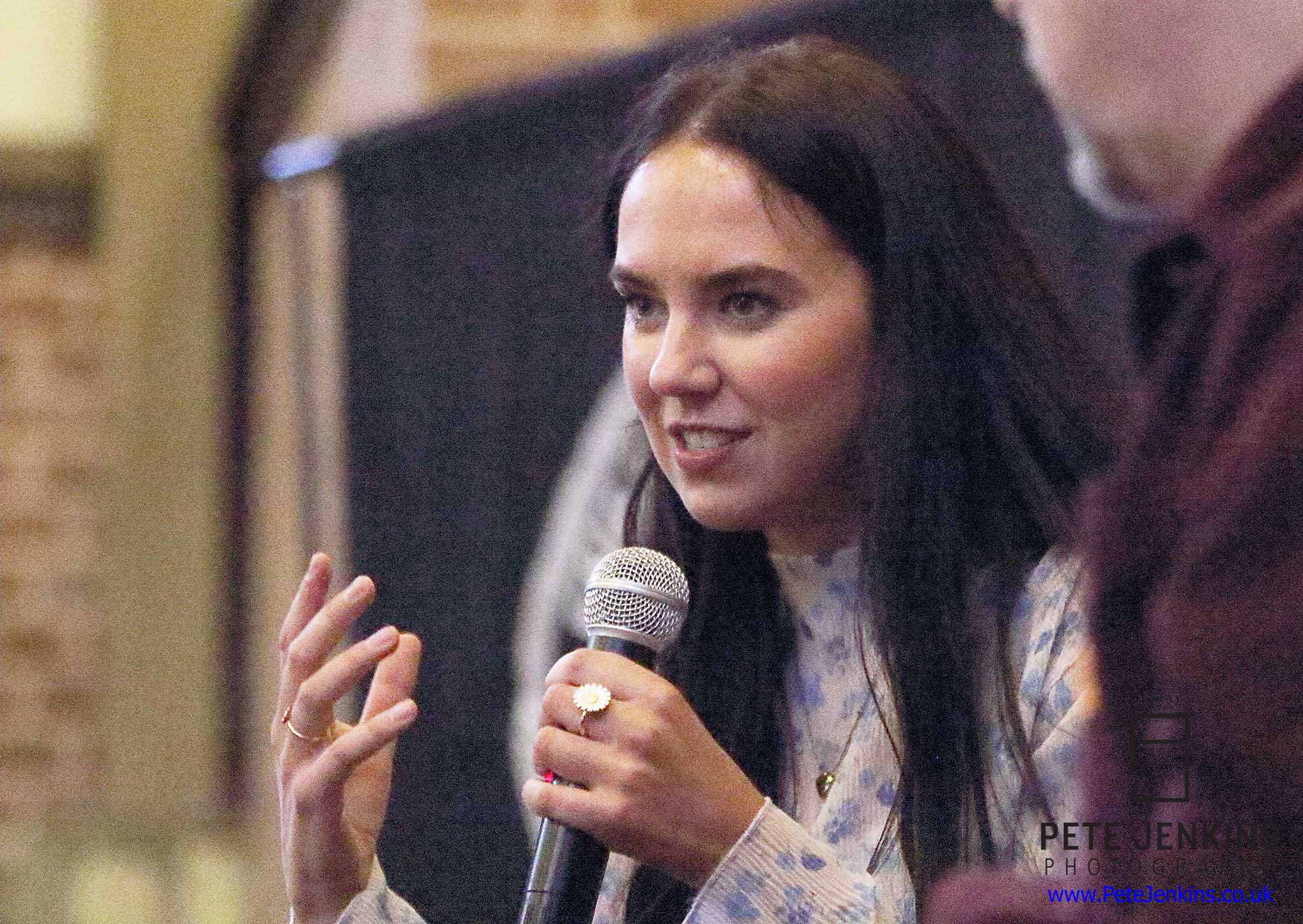
Keynote speaker Louisa Toxværd Munch answering questions from the audience
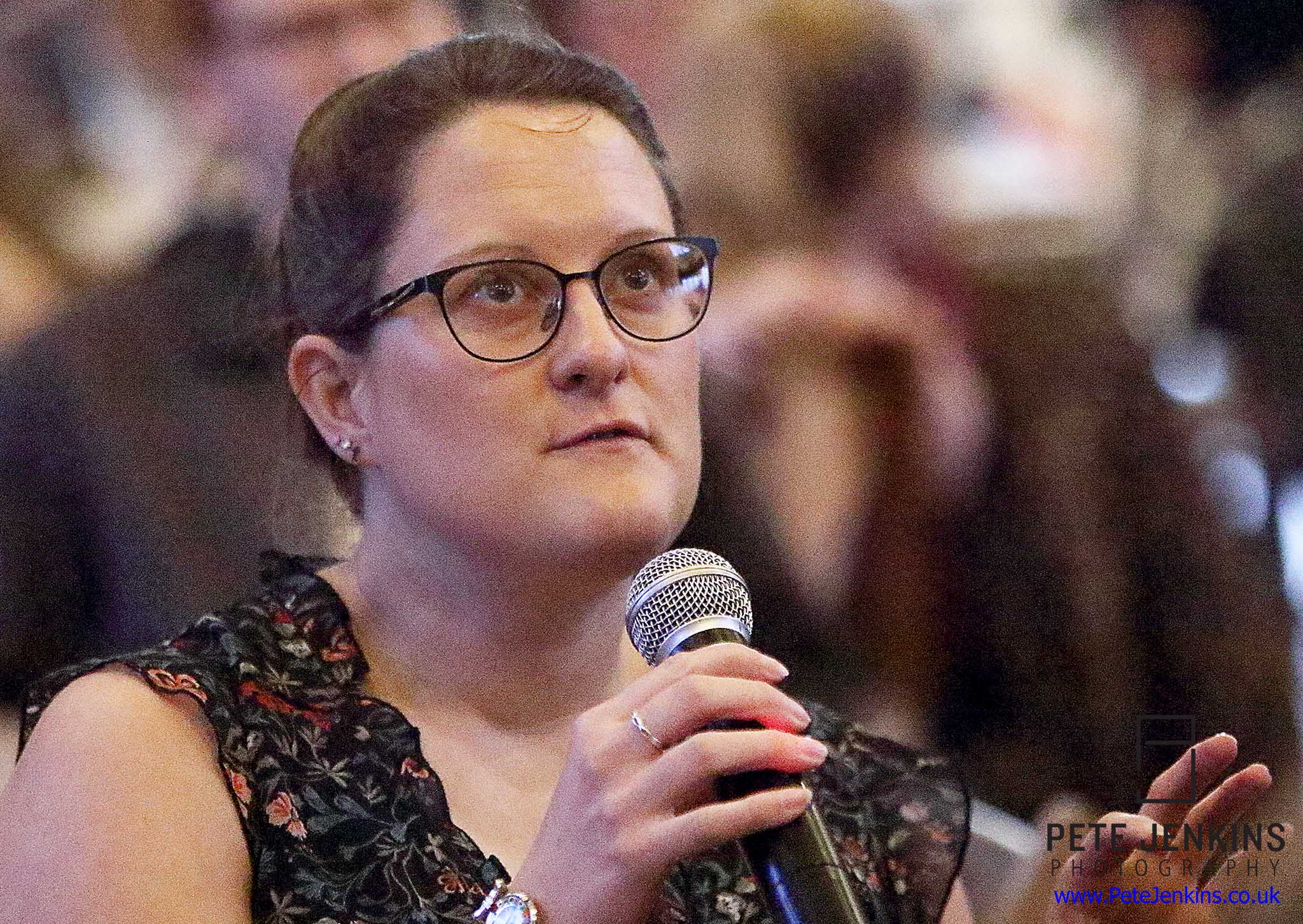
Jess, asking a question
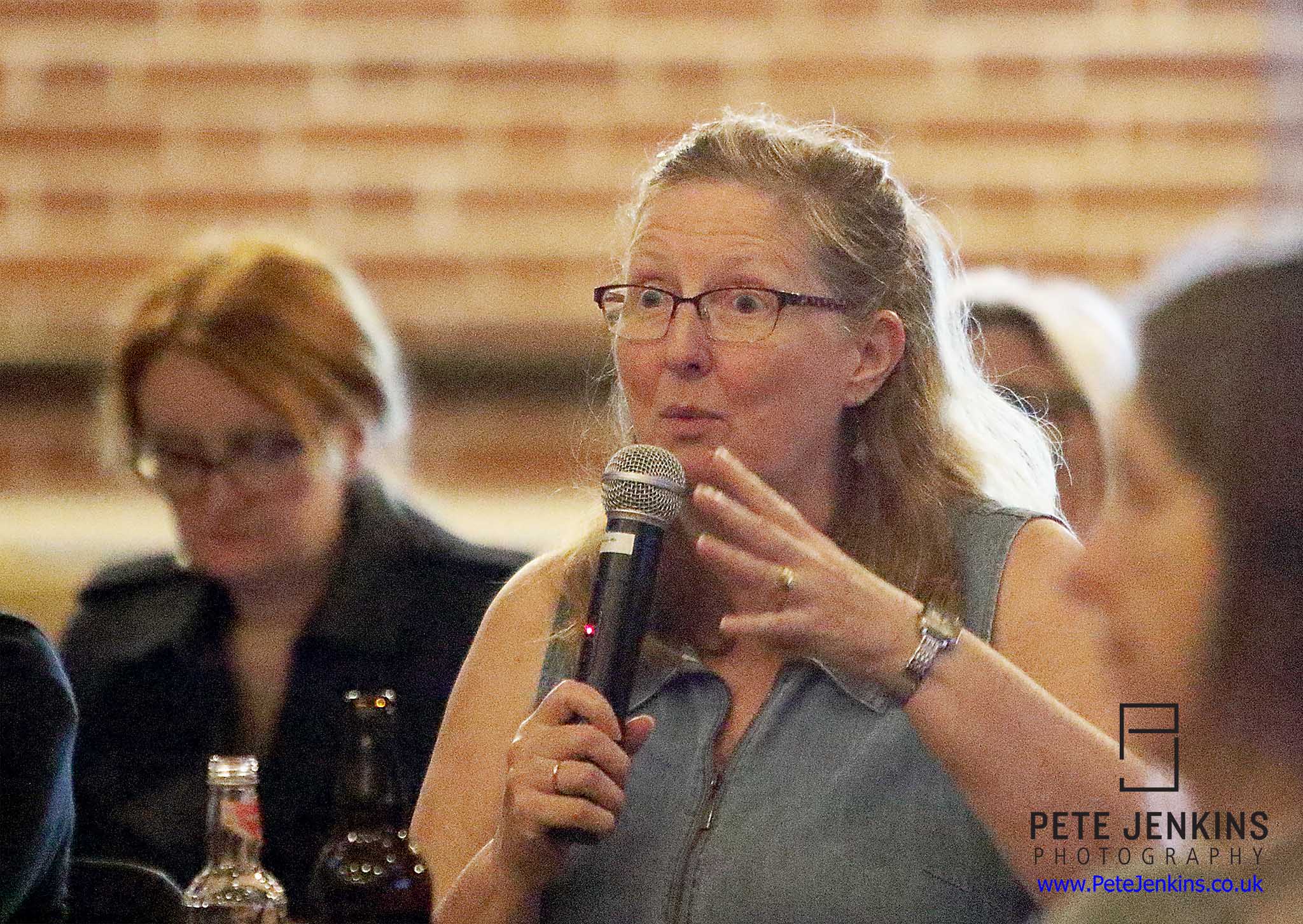
Sue asking a question

Tony Barnes from Solihull Unison asking a question
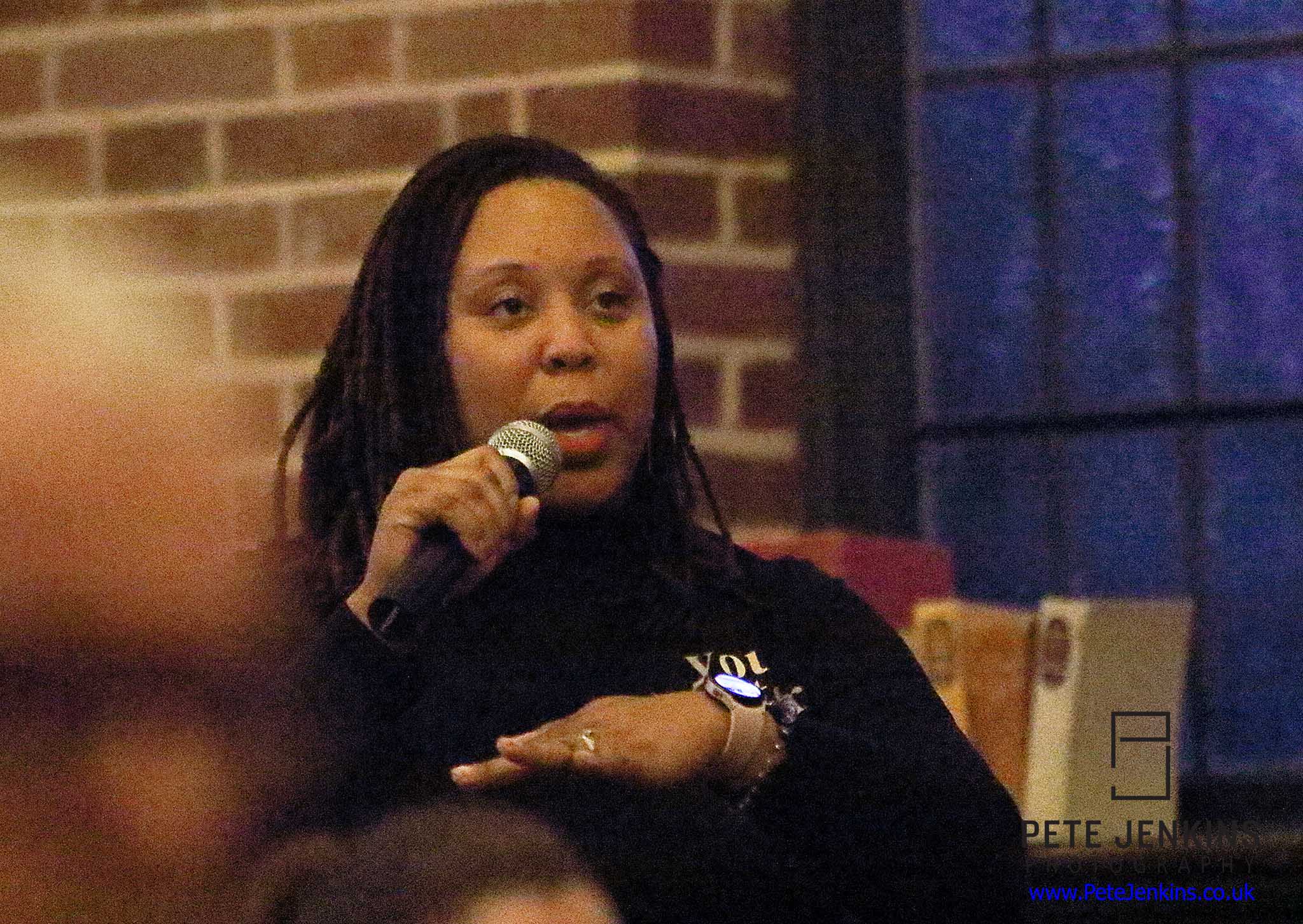
Jasmin from Wolverhampton asking a question

Jasmin from Wolverhampton asking a question
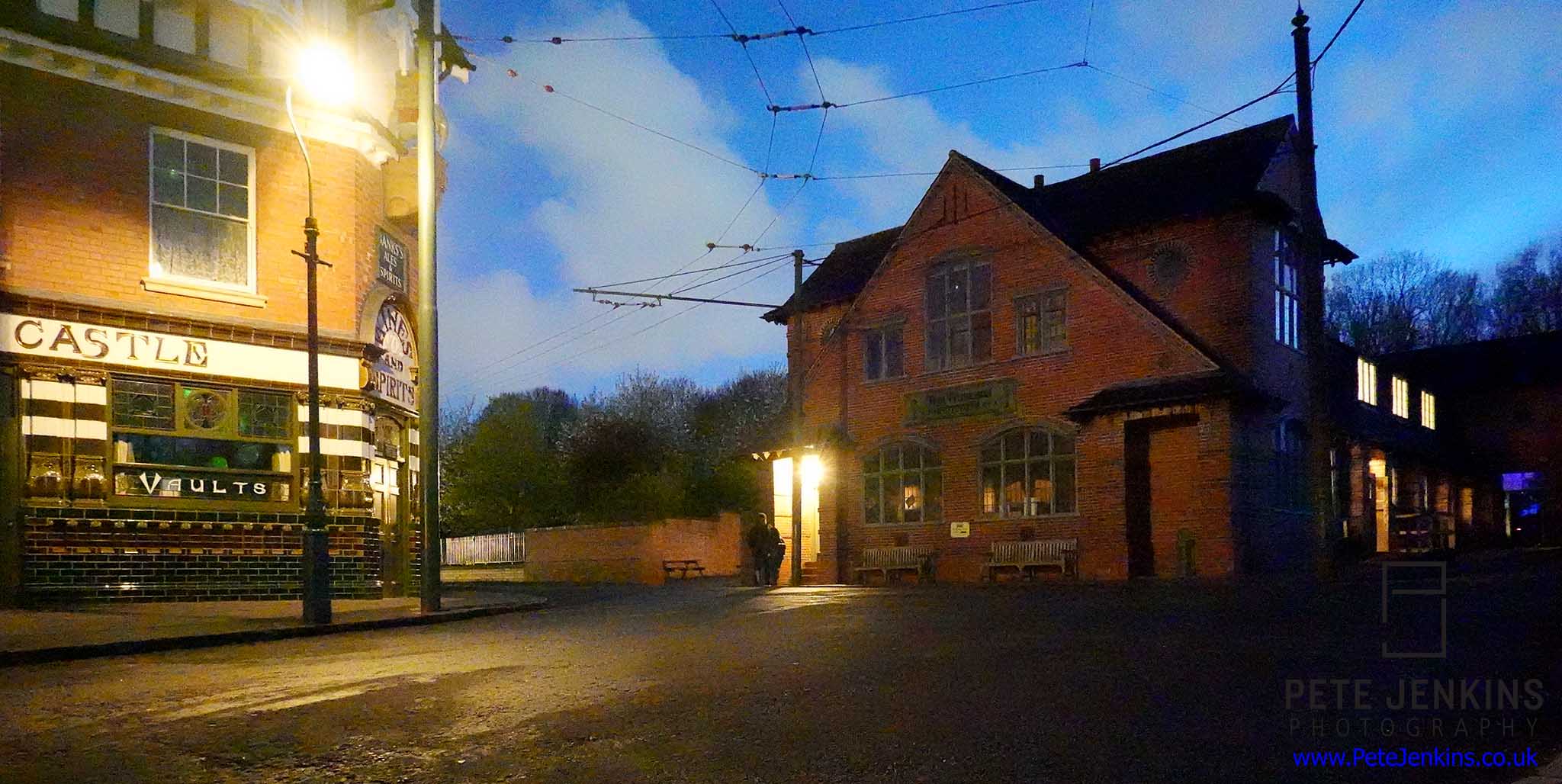
The workers Institute by night